Engineering, like many rewarding careers, requires a college degree. To prepare for this, you'll need a well-rounded education that includes plenty of math and science, along with communications, history, literature, and the arts.
Start planning now to take classes in high school that can open the door to college and the great opportunities that follow. The information below may help when thinking about what classes sign-up for.
Math and Science
Try to take at least four years of math and four years of science classes if you can. If you can take the AP options, that would be even better.
There are several different kinds of math that you’ll want to explore, including algebra, geometry, trigonometry, calculus, and statistics. Math is important — not just for engineers — by for everyday life. Find out more about why you should take math classes.
Taking variety of science classes will help you understand the world. It can also help you decide what kind of career you would like. Some classes to consider include earth science, biology, chemistry, and physics.
If you are worried about math or science courses, review these class survival tips.

The emission spectrum of iron
Language
Communication skills are critical to success in any career. Take every opportunity to strengthen you reading, writing, and speaking skills. That means four years of language classes that can include English composition, literature, speech/communications, debate, and journalism/broadcasting.
Already know a second language? Great! If not, consider taking a couple of years of foreign language classes. Learning about the culture and customs of another country is fun and can be a valuable job skill. It can open opportunities for travel in college or on the job.

History, Geography & Government
Many of these courses will be required for high school graduation, but they are also important to an engineer. Engineering projects often involve working with governments, complying with regulations, and cooperating with stakeholder. Understanding local and regional history can be a huge advantage.
Understanding history and the workings of government gives you perspective. Courses you may want to consider taking include U.S. history, ancient and world history, government, and current affairs.

Pre-Engineering and Technology Classes
If you attend a school where pre-engineering or technology classes are offered, consider taking them! These will give you a taste of engineering before college.
If those classes are not available at your school, don’t worry. You can learn everything you need at university.
If you school has a robotics club or a technology interest group, try it out. If it doesn’t, maybe you can start your own. A trusted math and science teachers may have other ideas for how you can get a head start in learning about engineering.
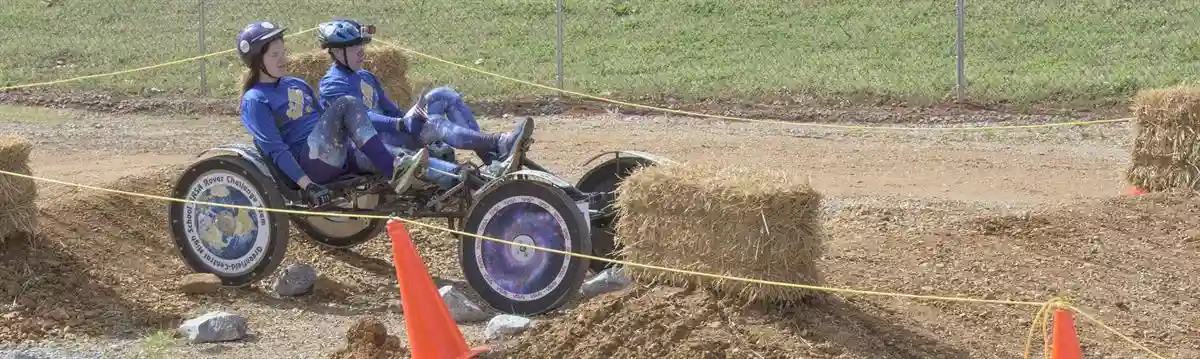
Sports, the Arts, and Other Opportunities
To be a good engineer, you'll need communications and teamwork skills -- the kinds of skills you get by trying new things and taking a wide selection of classes in school and participating in many extra-curricular activities.
Creativity is an important part of engineering and there are lots of opportunities to explore the arts in your community. Explore visual arts like sketching, sculpting, painting, photography, and film. Performing arts, such as dance, drama, choir, and band also take teamwork and can give you something to write about on your college entrance applications.
You may also want to consider participating in sports. This doesn’t mean have to be on the varsity basketball team or spend your weekend training for a triathlon. Athletics of any kind, from swimming at the community pool to a canoe trip with the church youth group, are opportunities to be active, stay healthy, and learn discipline and teamwork.